

Today is World Photography Day.
I have been trying to think about what I might say about a medium I have spent nearly half my life inside.
The truth is, I don’t really know.
Perhaps that is the most honest place to begin.
I remember very clearly what it felt like to fall in love with photography. I was at university. I photographed a dance performance and something happened in that frame that I hadn’t anticipated. There was movement and energy and something I couldn’t quite name. I remember looking at the photograph afterwards and feeling that something had shifted.
I didn’t know then how completely photography would enter my life.
That it would take me across countries and into other people’s homes. Into revolutions, fields, bedrooms, streets, hospitals and places I had no business entering without someone’s trust.
That it would take me back to Egypt.
That it would make me leave.
That it would give me a language for things I couldn’t yet say.
That one day I would build books from photographs, teach other people how to listen to their own images and spend years returning to pictures I thought I already understood.
I certainly didn’t know that some of the photographs I was making would outlive the moment that made them.
Maybe none of us knows that when we press the shutter.
We think we’re photographing what is in front of us.
Time has other ideas.
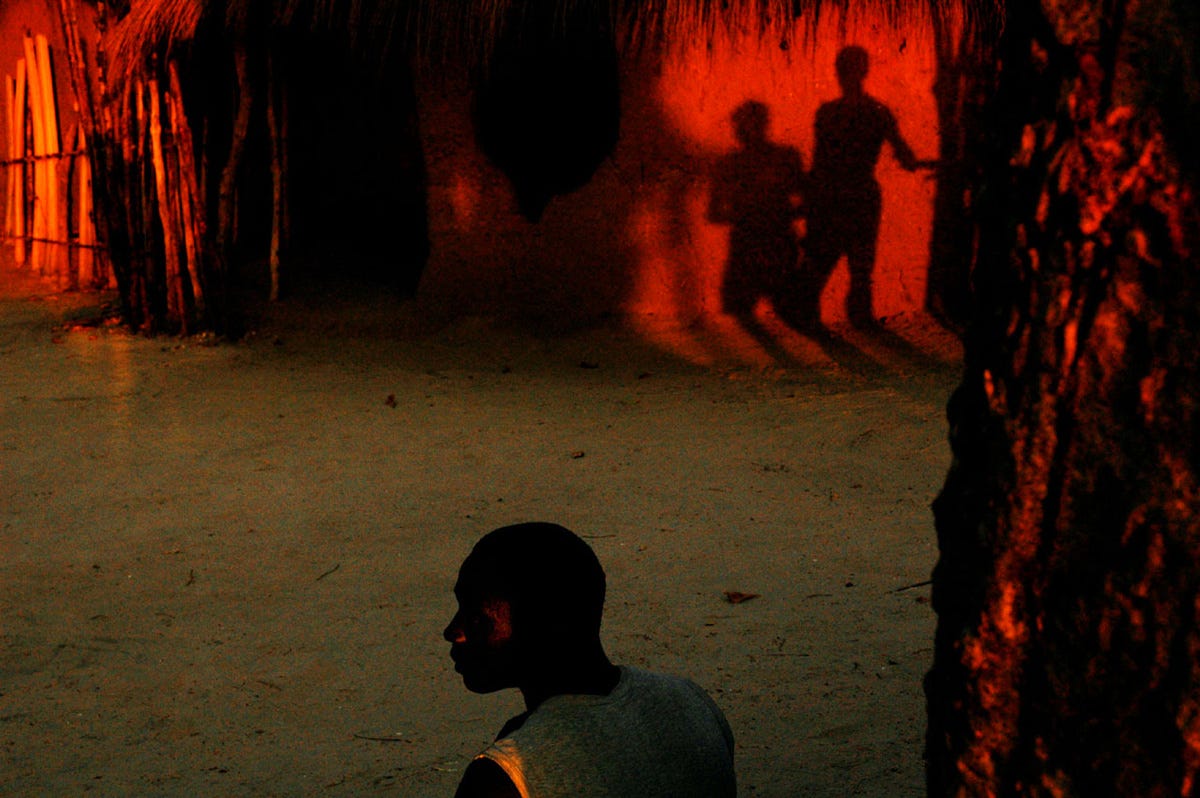
I understand this more now when I look at my own archive.
There are photographs I made twenty years ago that feel entirely different to me now. Not because the image has changed, but because I have.
I see things in them now that I didn’t see then.
A person standing at the edge of the frame.
A gesture I barely noticed.
A street that no longer looks the same.
Someone younger than I remember them.
Someone no longer here.
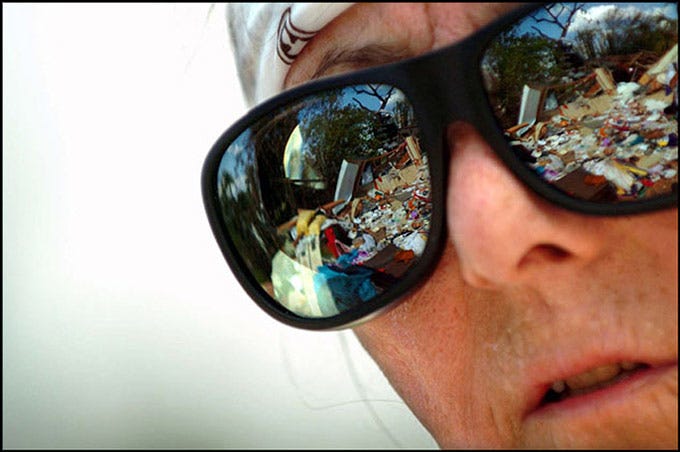
Sometimes I look at an old photograph and wonder what the person holding the camera knew.
She knew less than I thought she did.
She also knew things I have forgotten.
I find that strangely moving.
Photography has always carried this contradiction for me. It gives us the feeling that we have caught something when really we have only witnessed its disappearance.
A fraction of a second.
Gone almost at the same moment we make evidence of it.
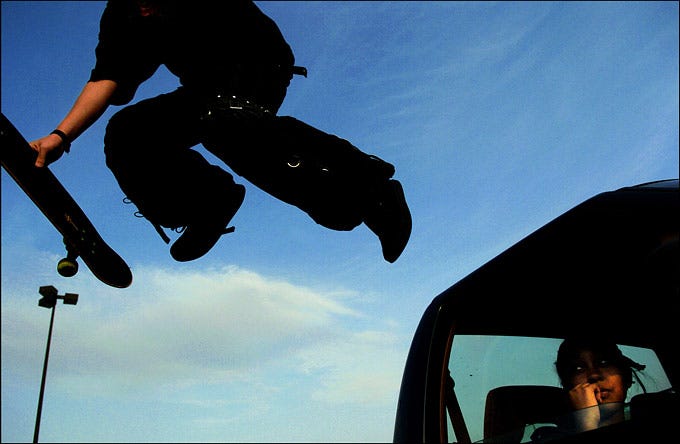
Perhaps this is why photographs become more mysterious with time rather than less.
We talk so much about what photographs show. I’m increasingly interested in what they hide. Everything outside the frame. Everything that happened before. Everything that came afterwards.
The sound of the room.
The reason someone looked away.
The thing I didn’t photograph because I didn’t understand its importance yet.
The photograph is certain. Life around it isn’t.
I think I trusted that certainty more when I was younger.
I wanted photographs to bear witness. To make sense of history. To say something about identity, belonging, home. I wanted the frame to hold what I couldn’t yet understand.
I still believe deeply in that possibility. But I am less interested now in asking a photograph to contain everything. Maybe twenty years of making images has taught me to respect what escapes them.
Sound has become important to me.
So has movement.
Silence.
Text.
The time between one image and another. Sometimes even the decision not to photograph.
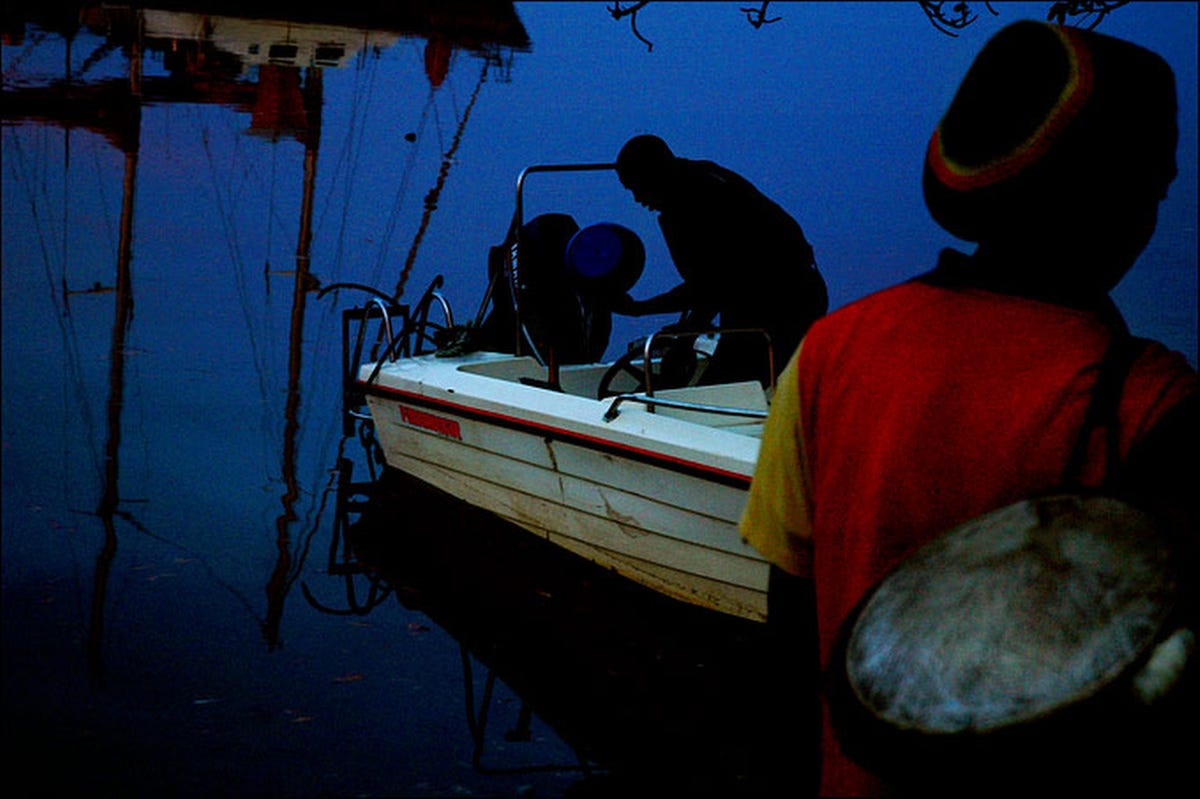
I’ve spent much of this year with my camera quieter than usual. At first this unsettled me. I wondered if I wasn’t making enough. Whether teaching, editing, building things and sitting with other people’s photographs had pushed my own practice somewhere to the side.
Then I began listening.
To the sea where I live. The gulls screaming overhead before I could see them.
To the particular rhythm of a place becoming familiar.
And gradually photographs began appearing again.
Different photographs.
Perhaps I had not stopped making work.
Perhaps the work was asking me to approach it differently.
There is something else I have been thinking about lately.
My parents are getting older.
When I look at photographs of them now, I don’t look in the same way I did ten years ago.
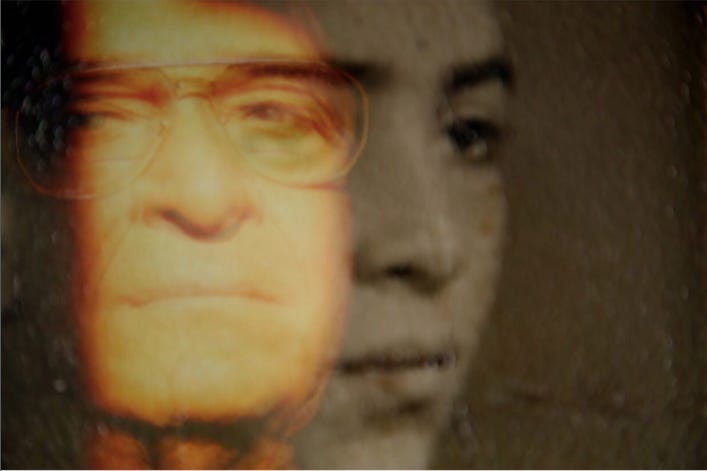
The photograph hasn’t changed.
Love has changed it. Time has changed it. The knowledge that nothing remains as it is has changed it.
This is where photography becomes very difficult for me to explain.
A photograph of someone you love can be almost nothing.
A face.
A hand.
Someone sitting in a chair.
And then one day it contains an entire world. Not because the photographer put that world there.
Because life did.
Maybe this is what I didn’t understand when I started.
We don’t finish photographs when we make them.
We release them into time. Some disappear. Some become history. Some become evidence. Some sit unseen in boxes for decades. Some wait patiently for us to become the person capable of understanding what they contain.
And occasionally a photograph we barely thought about when we made it becomes impossible to look at without feeling everything that happened afterwards.
After more than twenty years, I am less certain about photography than I have ever been.
I don’t find that frightening anymore. I think certainty would be a terrible reason to continue. I want photographs to remain strange to me. I want to keep discovering things inside them that I didn’t put there. I want to be surprised by what survives the frame and haunted, occasionally, by what didn’t.
And I want to keep asking whether a photograph is enough, knowing that sometimes it isn’t.
But every so often, inexplicably, one is.
One image. One fraction of a second. Years later, you look again. Everything around it has changed. And there it is. Still waiting for you.
And, needless to say, happy World Photography Day :)
— ⟡ —
A song for this piece:
El Shawarea Hawadeet (The Streets Are Stories), Hany Shenouda
Listen on Spotify
Lovely words